
As an Amazon Associate, I earn from qualifying purchases.
Best protein powder UK options depend on body weight, health conditions, and daily nutritional needs.
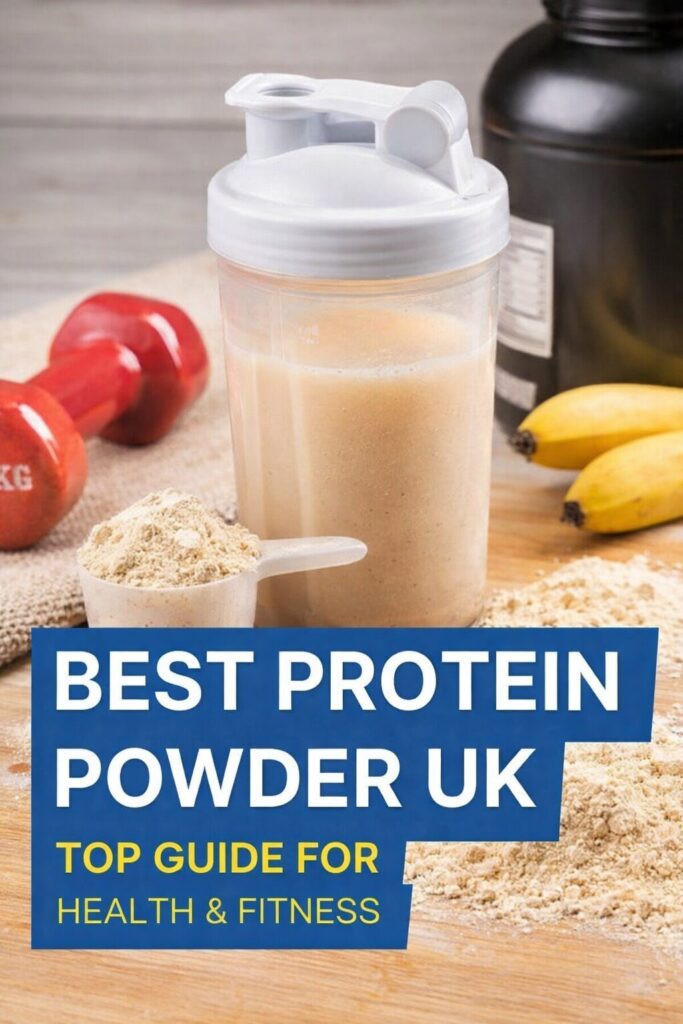
Protein is a fundamental nutrient required by the human body for muscle repair, tissue maintenance, hormone production, enzyme function, and immune health. While whole foods such as lentils, dairy products, eggs, fish, meat, nuts, and seeds naturally provide protein, many people find it difficult to meet their daily protein requirements due to busy schedules, appetite issues, dietary restrictions, or increased physical activity.
Protein powders are designed to supplement daily nutrition, not replace balanced meals. When chosen wisely and consumed in appropriate amounts, they can support overall health, recovery, and fitness goals. This article provides a clear, educational, and non-promotional explanation of protein powders, including how to choose the right type, how much to consume based on body weight, potential health considerations, myths, safety concerns, and a carefully curated list of 10 globally recognised protein powders available on Amazon UK.
Important note: This content is for educational purposes only and does not replace professional medical advice.
How Much Protein Does Your Body Need?
Protein requirements vary based on body weight, age, lifestyle, and activity level. General nutrition guidelines suggest:
- Sedentary adults: ~0.8 g per kg of body weight
- Moderately active individuals: ~1.2–1.6 g per kg
- Strength training or physically demanding routines: ~1.6–2.0 g per kg
Example:
A person weighing 70 kg may require:
- ~56 g/day (sedentary)
- ~85–110 g/day (active)
- Up to ~140 g/day (intense training)
Protein powder should only help meet gaps in dietary intake and should not exceed recommended levels.
Types of Protein Powders and Who They Are For
Whey Protein
Whey protein is derived from milk and is quickly absorbed by the body. It contains all essential amino acids.
- Suitable for: post-workout recovery, general fitness
- Not ideal for: severe lactose intolerance
Whey Isolate
A refined version of whey with reduced lactose and fat.
- Suitable for: lactose-sensitive individuals
- Absorbs faster than whey concentrate
Plant-Based Protein
Typically made from pea, brown rice, hemp, or blended plant sources.
- Suitable for: vegans, lactose intolerance
- Often easier on digestion
Casein Protein
A slow-digesting milk protein.
- Suitable for: night-time use
- Provides sustained amino acid release during sleep
When and How to Use Protein Powder
Before Exercise
- Optional
- Useful if training on an empty stomach
- One scoop mixed with water 30–45 minutes before workout
After Exercise
- Most common and practical use
- One scoop within 30–60 minutes after training
- Supports muscle repair and recovery
On Rest Days
- Only if dietary protein intake is low
- Can be added to smoothies, oats, or breakfast meals
Preparation Tips
- Mix with water, milk, oat milk, or almond milk
- Avoid extremely hot liquids
- Follow manufacturer serving guidelines
Health Conditions, Diseases, and Safety Considerations
Individuals with the following conditions should consult a healthcare professional before regular protein supplementation:
- Kidney disease
- Liver disorders
- Chronic digestive conditions
- Autoimmune disorders
Common Allergens
- Milk (whey, casein)
- Soy
- Artificial sweeteners (may cause bloating in some individuals)
Those with lactose intolerance may prefer whey isolate or plant-based proteins. People with sensitive digestion should choose simple formulas with minimal additives.
Common Myths About Protein Powder
Myth 1: Protein powder damages kidneys
Moderate protein intake is generally considered safe for healthy individuals.
Myth 2: More protein means faster muscle growth
Muscle development depends on resistance training, rest, and balanced nutrition—not excess protein.
Myth 3: Protein supplements are only for bodybuilders
Protein is essential for everyone, including women and older adults.
Risks of Excess Protein Intake
Long-term excessive protein consumption may lead to:
- Digestive discomfort
- Dehydration
- Nutritional imbalance
Balanced meals, hydration, and moderation are key.
Best Protein Powder UK: How to Choose the Right One
Top 10 Protein Powders Available on Amazon UK
1. Optimum Nutrition Gold Standard Whey
Widely used whey blend suitable for daily protein supplementation.
👉 Chttps://amzn.to/3NjyzCwheck Optimum Nutrition Gold Standard Whey on Amazon UK
2. MyProtein Impact Whey Protein
Simple formulation suitable for everyday protein intake.
👉 Explore MyProtein Impact Whey on Amazon
3. Bulk Pure Whey Protein
Clean whey protein suitable for beginners and regular gym users.
👉 Bulk Pure Whey Protein – available on Amazon UK
4. Garden of Life Organic Plant Protein
Certified organic plant-based protein with digestive enzyme support.
👉 Garden of Life Organic Plant Protein on Amazon UK
5. Vega Sport Premium Protein
Designed for physically active individuals using plant-based nutrition.
👉 Vega Sport Premium Plant Protein on Amazon
6. Dymatize ISO100 Whey Isolate
Low lactose, fast absorption, suitable for sensitive digestion.
👉 Dymatize ISO100 Whey Isolate on Amazon UK
7. Protein Works Vegan Protein Extreme
Balanced plant blend with added fibre.
👉 Protein Works Vegan Protein Extreme – Amazon UK
8. PhD Smart Protein
Blend of whey and casein for sustained protein release.
👉 PhD Smart Protein available on Amazon UK
9. Orgain Organic Protein Powder
Minimal additives, gentle on digestion.
👉 Orgain Organic Protein Powder on Amazon
10.Form Performance Protein – Vegan Protein Powder
Clean-label plant protein focused on digestive comfort.
👉 Form Performance Protein
Quick Comparison Table
| Protein Name | Type | Suitable For | Allergen | Best Time |
|---|---|---|---|---|
| ON Gold Standard | Whey | Recovery | Milk | Post-workout |
| MyProtein Impact | Whey | Daily intake | Milk | Post-workout |
| Bulk Pure Whey | Whey | Beginners | Milk | After exercise |
| Garden of Life | Plant | Vegans | Dairy-free | Any time |
| Vega Sport | Plant | Athletes | Dairy-free | Post-workout |
| ISO100 | Whey Isolate | Lactose-sensitive | Milk | Post-workout |
| Vegan Extreme | Plant | Digestive comfort | Dairy-free | Morning/evening |
| PhD Smart | Whey + Casein | Weight control | Milk | Meal support |
| Orgain | Plant | Clean nutrition | Dairy-free | Any time |
| Form | Plant | Gut-friendly | Dairy-free | Daily use |
When selecting the best protein powder UK consumers rely on, it is important to consider digestion, ingredient quality, and overall lifestyle needs.
This guide aims to help readers confidently choose the best protein powder UK option that supports long-term health and fitness goals.
Is protein powder safe for daily use?
For healthy individuals, protein powder is generally safe when consumed within recommended daily limits.
How much protein powder should I take?
Most people consume one scoop per day, depending on body weight, activity level, and dietary intake.
Can protein powder cause kidney problems?
People with existing kidney conditions should consult a healthcare professional before use.
Is protein powder suitable for women?
Yes. Protein supports muscle maintenance, metabolism, and recovery for both men and women.
Can I take protein powder without going to the gym?
Yes, but intake should align with activity level to avoid unnecessary excess.
What is the best time to take protein powder?
Common times include post-workout or alongside meals to support daily intake.
Overall, selecting the best protein powder UK market provides requires understanding personal nutrition needs, body weight, and long-term health goals.
Final Thoughts
Protein powders can be a useful nutritional tool when chosen carefully and consumed responsibly. The right protein depends on body weight, dietary preference, activity level, and health condition—not marketing claims. Whole foods should always remain the foundation of nutrition, with supplements used only to support daily needs.
Read more on Majra Health: Daily Nutrition Tips for Active Adults