

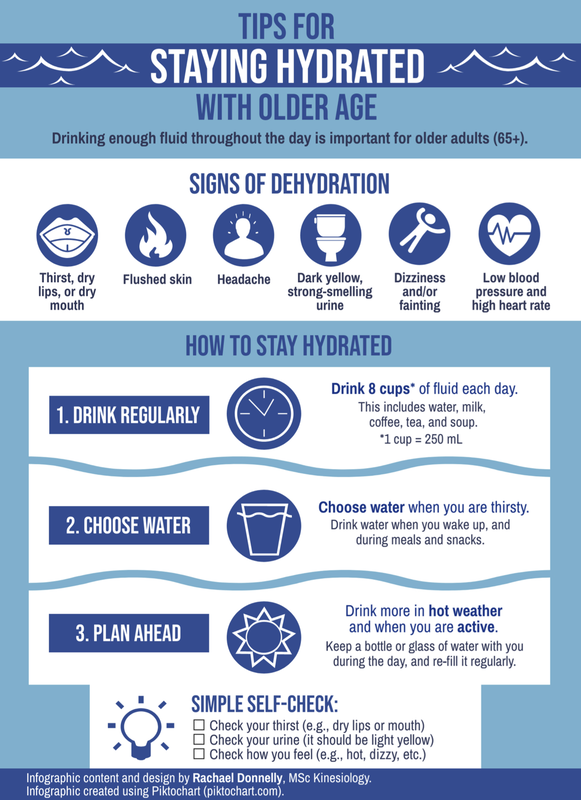
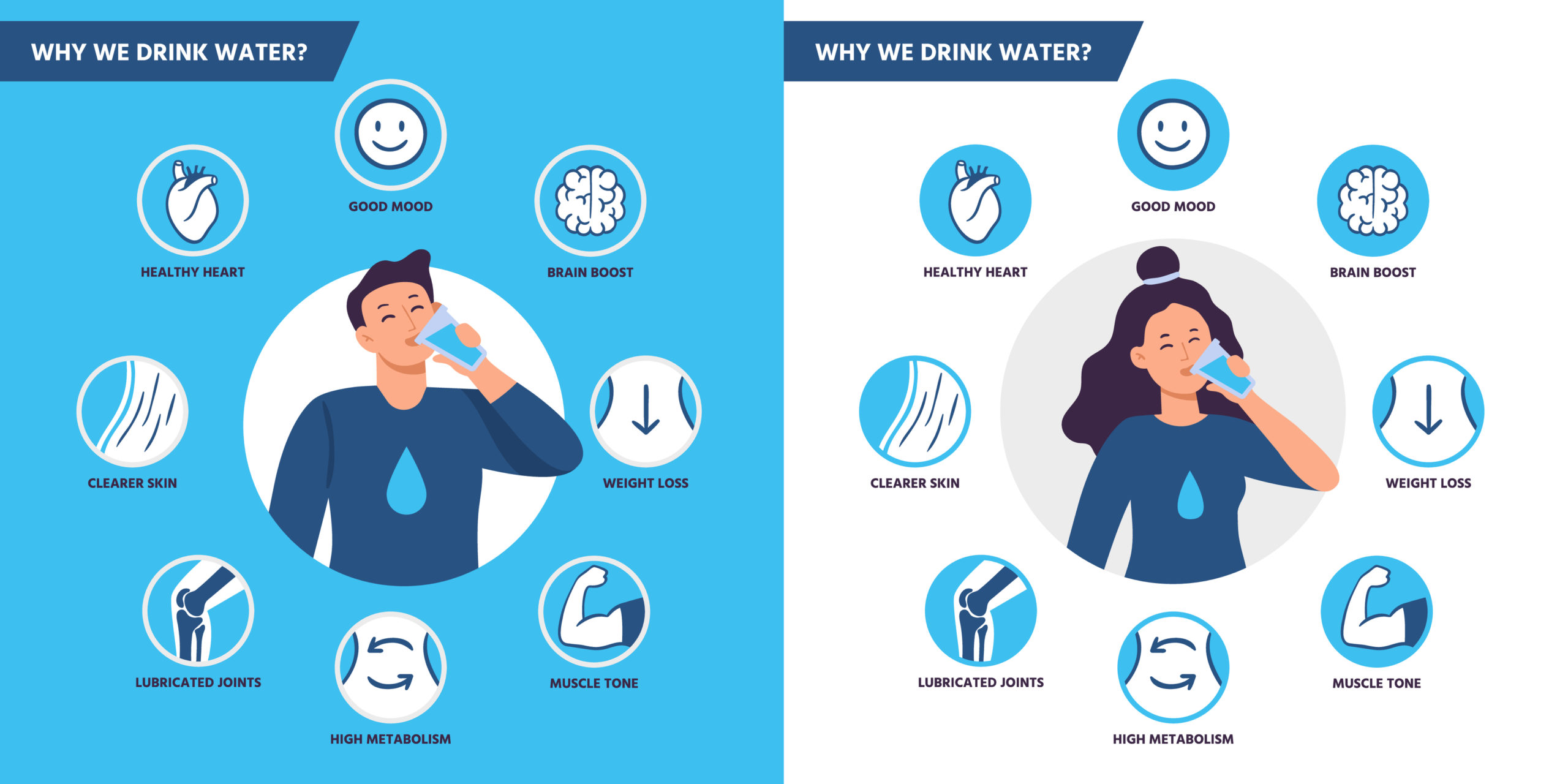
The best time to drink water plays a crucial role in maintaining hydration, digestion, and overall daily wellness for adults.
Affiliate Disclosure:
This article contains affiliate links. If you purchase a product through these links, we may earn a small commission at no additional cost to you. This helps support our wellness content and allows us to continue providing free, helpful information.
🌍 Why Drinking Water Correctly Matters
Water is essential for almost every function in the human body. Around 60–70% of an adult’s body weight is water, and even mild dehydration can negatively affect digestion, concentration, skin health, kidney function, and overall energy levels.
Many people focus only on how much water to drink, but timing, temperature, and quality are equally important. Drinking water the right way can support metabolism, digestion, and long-term wellness.
Knowing the best time to drink water allows adults to stay hydrated without overdrinking.
⏰ Best Time to Drink Water During the Day
🌅 Morning (After Waking Up)
Drinking water first thing in the morning helps the body transition from rest mode to active mode.
- Recommended amount: 1–2 glasses
- Best type: Warm or room-temperature water
Benefits include:
- Supporting natural detox processes
- Improving bowel movement
- Activating digestion
- Helping hydration after overnight water loss
🍽️ Before Meals
Drinking water about 30 minutes before meals supports digestion.
- Helps prepare the stomach
- May prevent overeating
- Supports nutrient absorption
Avoid excessive water intake during meals, as it may interfere with digestion.
🏃 During Physical Activity
Water loss increases with physical activity.
- Sip water regularly
- Increase intake in hot weather or intense workouts
Proper hydration helps maintain stamina and prevents fatigue.
🌙 Evening & Night
Small sips of water in the evening are fine, but excessive intake before bedtime may disturb sleep due to frequent urination.
⚖️ How Much Water Should an Adult Drink Per Day?
General Guideline by Body Weight
| Weight | Daily Water Intake |
|---|---|
| 50–60 kg | 2.0–2.3 L |
| 60–70 kg | 2.3–2.7 L |
| 70–80 kg | 2.7–3.0 L |
| 80–90 kg | 3.0–3.5 L |
Simple rule:
👉 Body weight (kg) × 35 ml
Adjust intake based on climate, activity level, and diet.
🔥 Warm Water vs Cold Water
Warm or room-temperature water is generally easier on digestion and circulation. Cold water may feel refreshing but can slow digestion when consumed with meals. For daily wellness, moderate temperature water is usually preferred.
🦠 Water Quality & Safety
Clean drinking water should be:
- Clear
- Odour-free
- Neutral tasting
Contaminated water may cause digestive discomfort. Using trusted bottled water brands or filtered water helps reduce risk.
💎 Top 10 Best Bottled Drinking Waters Available on Amazon UK

10
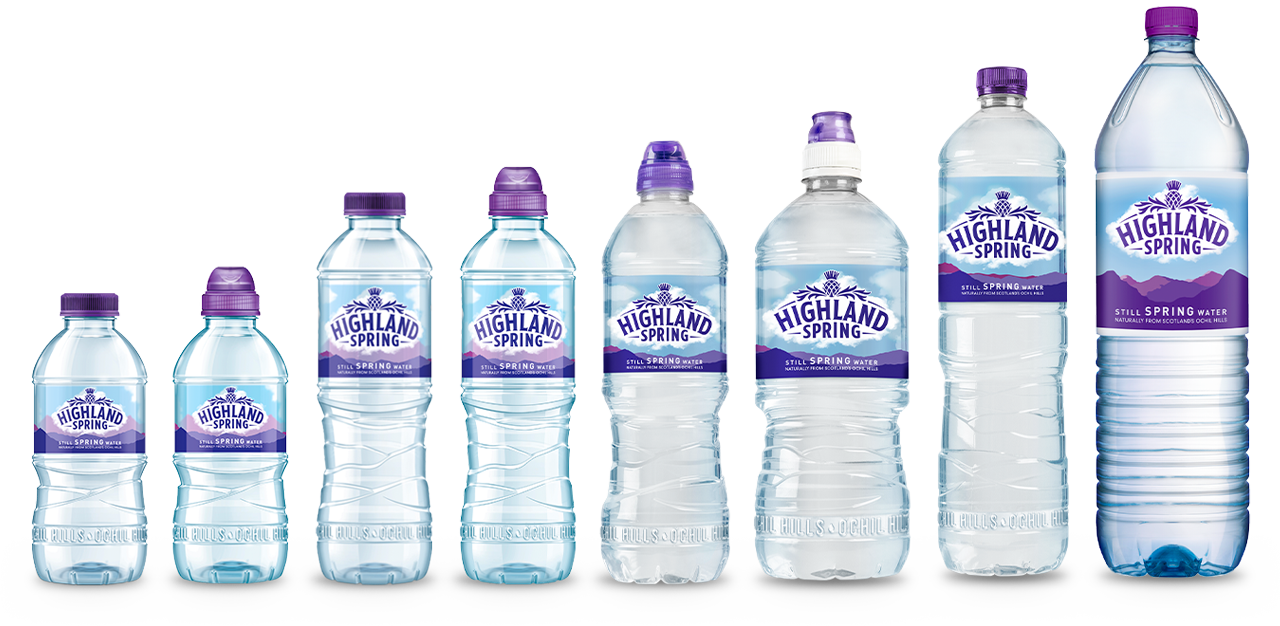
1️⃣ Highland Spring Still Water
UK-sourced natural spring water with low sodium. Ideal for daily hydration and available in cost-effective multipacks.
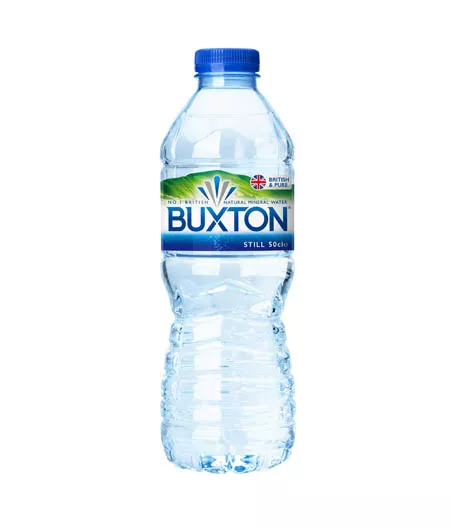
2️⃣ Buxton Natural Mineral Water
A widely trusted brand offering good mineral balance at an affordable price, suitable for everyday use.
3️⃣ Evian Natural Mineral Water
Naturally filtered through Alpine rocks, known for smooth taste and balanced mineral content.
4️⃣ Smartwater (Vapour Distilled)
Purified through vapour distillation with added electrolytes. Popular among active individuals.
5️⃣ Volvic Natural Mineral Water
Filtered through volcanic rock, offering a clean taste and consistent mineral profile.
6️⃣ Harrogate Spring Water
British spring water with a light mineral composition, suitable for regular consumption.
7️⃣ Voss Still Water
Premium still water with a minimalist bottle design. Best for those preferring ultra-clean taste.
8️⃣ Acqua Panna Natural Mineral Water
Italian spring water with a smooth texture and balanced mineral composition.
9️⃣ Icelandic Glacial Water
Naturally alkaline spring water sourced from Iceland, known for purity and crisp taste.
🔟 San Pellegrino Still Water
A refined still water option with gentle mineral content, suitable for everyday hydration.
⚠️ Can Drinking Too Much Water Be Harmful?
Excessive water intake in a short period may dilute electrolytes, potentially causing discomfort such as headache or nausea. Balanced hydration throughout the day is recommended.
🧠 Simple Hydration Tips
- Drink consistently, not all at once
- Monitor urine colour (pale yellow indicates good hydration)
- Increase intake during exercise or hot weather
- Limit sugary drinks
✅ Final Thoughts
Water is the foundation of a healthy lifestyle. Drinking the right amount, at the right time, and choosing safe, quality water sources can support digestion, energy, and overall wellbeing.
💧 Small hydration habits can make a big difference over time.