
Unhealthy daily habits often become normalised in modern lifestyles, especially among people with busy work routines and limited physical activity.
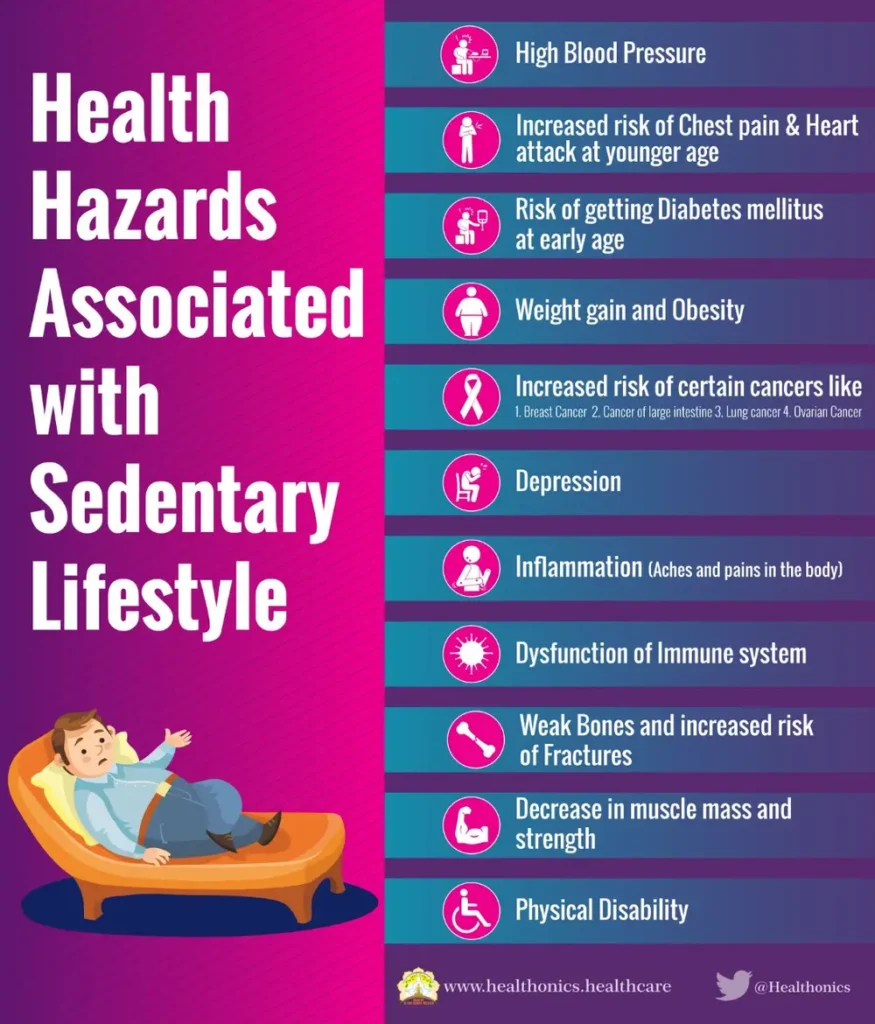
Unhealthy daily habits often develop as part of modern life without people noticing their long-term impact on overall well-being. Sitting for long hours, irregular sleep patterns, excessive screen time, unmanaged stress, and poor daily routines may slowly influence physical and mental balance over time.
In today’s fast-paced world, many people unknowingly adopt daily habits that may gradually affect their overall health. These habits often seem harmless at first—working long hours, scrolling on phones late at night, skipping meals, or sitting for extended periods. However, when repeated daily over months or years, they can influence energy levels, posture, sleep quality, digestion, and mental well-being.
This article is written for educational and awareness purposes only. It aims to help readers understand how common lifestyle habits may be linked to long-term health outcomes and how small, mindful changes can support better well-being.
If you are in improving daily lifestyle habits for better well-being interested in building healthier routines, you may also like reading our guide on improving daily lifestyle habits for better well-being.
1.Sitting for Long Hours Without Movement
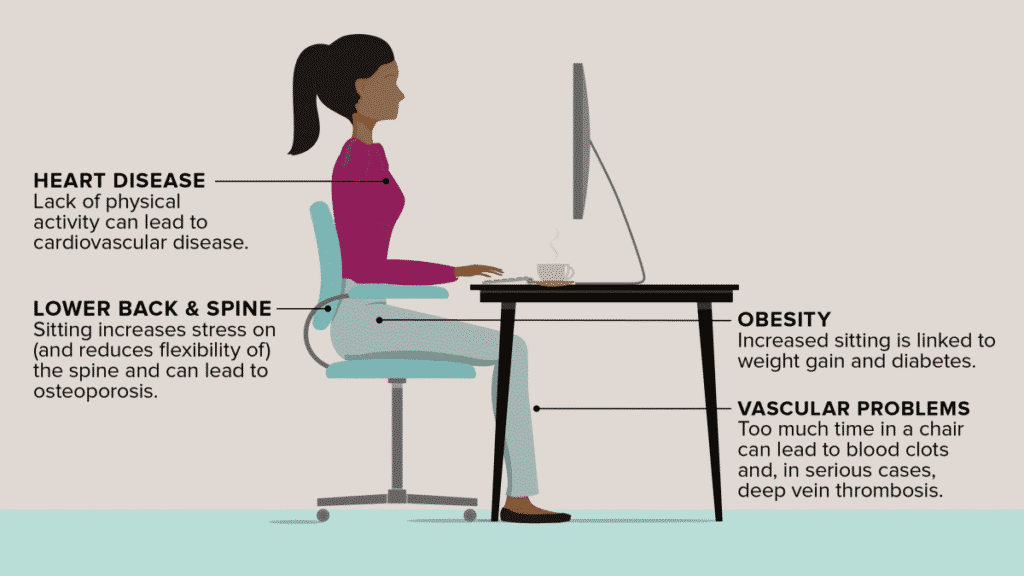
Modern work culture often requires people to sit for long periods—at desks, in meetings, or during commutes. Research has shown that prolonged sitting may be associated with reduced circulation, muscle stiffness, and lower energy levels.
Why it matters
- Muscles become less active
- Posture may gradually weaken
- Metabolism may slow when movement is limited
Simple healthier alternatives
- Stand or stretch every 30–45 minutes
- Walk while taking phone calls
- Use stairs instead of lifts when possible
Small movements throughout the day can make a noticeable difference over time.
Poor Sleep Patterns and Irregular Bedtimes
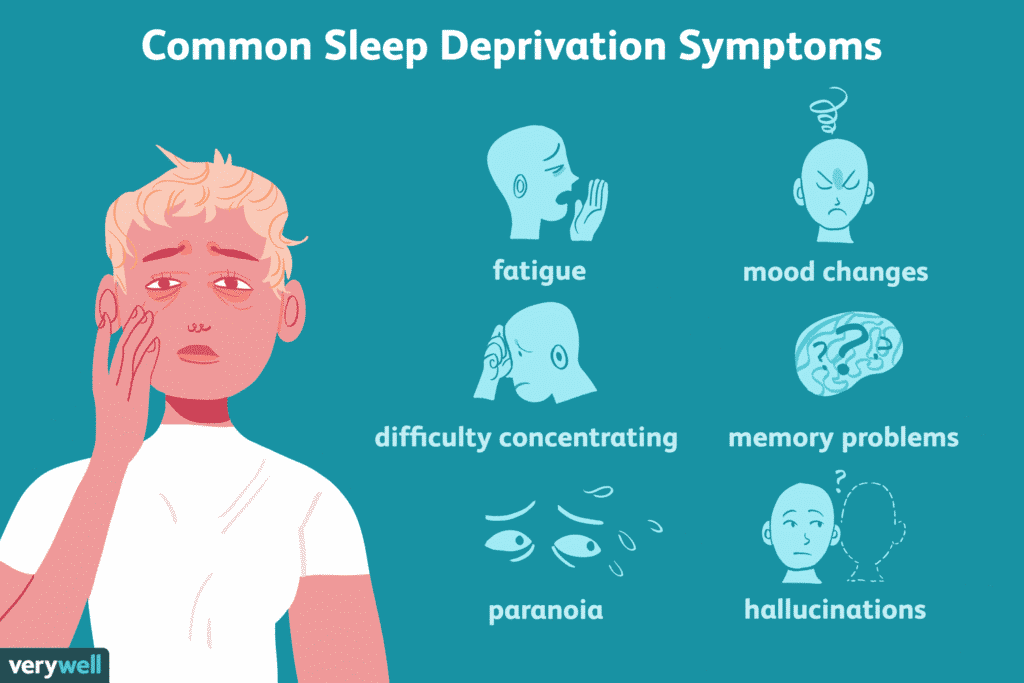
Sleep is a foundational pillar of overall health. Irregular sleep schedules, late-night screen exposure, and insufficient rest may affect concentration, mood, and daily performance.
Possible effects of poor sleep habits
- Daytime fatigue
- Reduced focus
- Increased stress sensitivity
Supportive habits
- Maintain a consistent bedtime
- Limit screen use before sleep
- Create a calm night routine
Quality sleep supports both physical and mental balance.
3. Excessive Screen Time and Digital Overuse


Smartphones, laptops, and tablets are deeply integrated into daily life. While technology offers convenience, excessive screen use may contribute to eye strain, mental fatigue, and reduced physical activity.
Common issues linked with overuse
- Eye discomfort
- Reduced attention span
- Sleep disturbance due to blue light exposure
Balanced approach
- Follow the 20-20-20 eye rule
- Take digital detox breaks
- Avoid screens at least 1 hour before bedtime
Mindful digital habits can improve daily comfort and focus.
4. Ignoring Body Posture
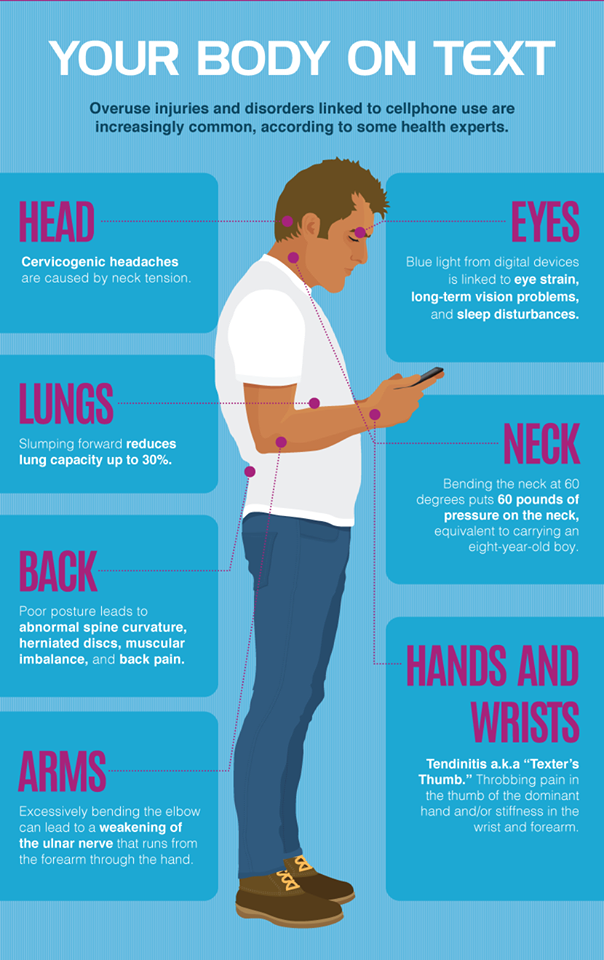

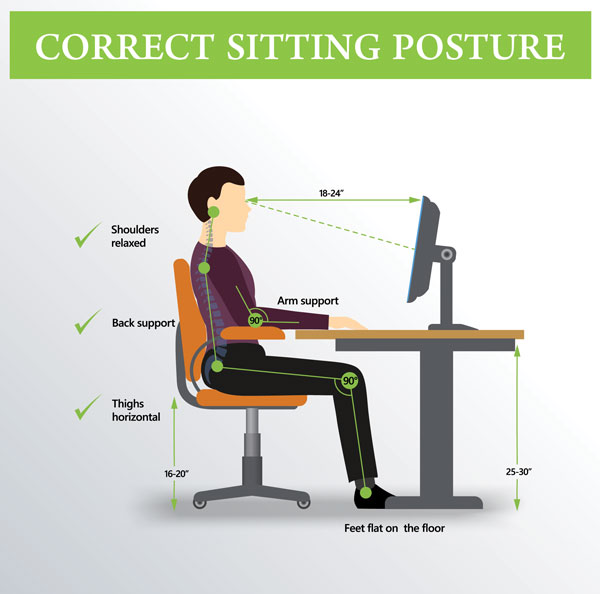
Posture often goes unnoticed until discomfort appears. Slouching, leaning forward, or improper workstation setup may gradually place stress on muscles and joints.
Why posture matters
- Supports spinal alignment
- Reduces unnecessary strain
- Helps maintain balance and comfort
Helpful posture tips
- Keep screens at eye level
- Sit with feet flat on the floor
- Strengthen core muscles gently
Good posture is a long-term investment in comfort.
5. Skipping Meals or Eating at Irregular Times
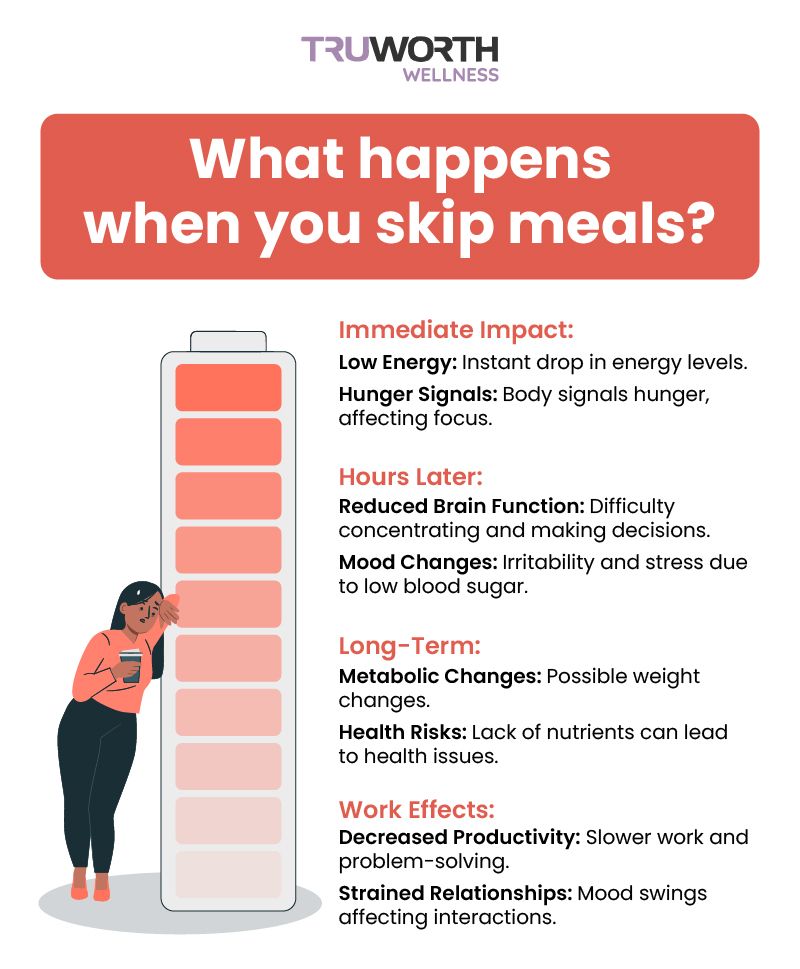

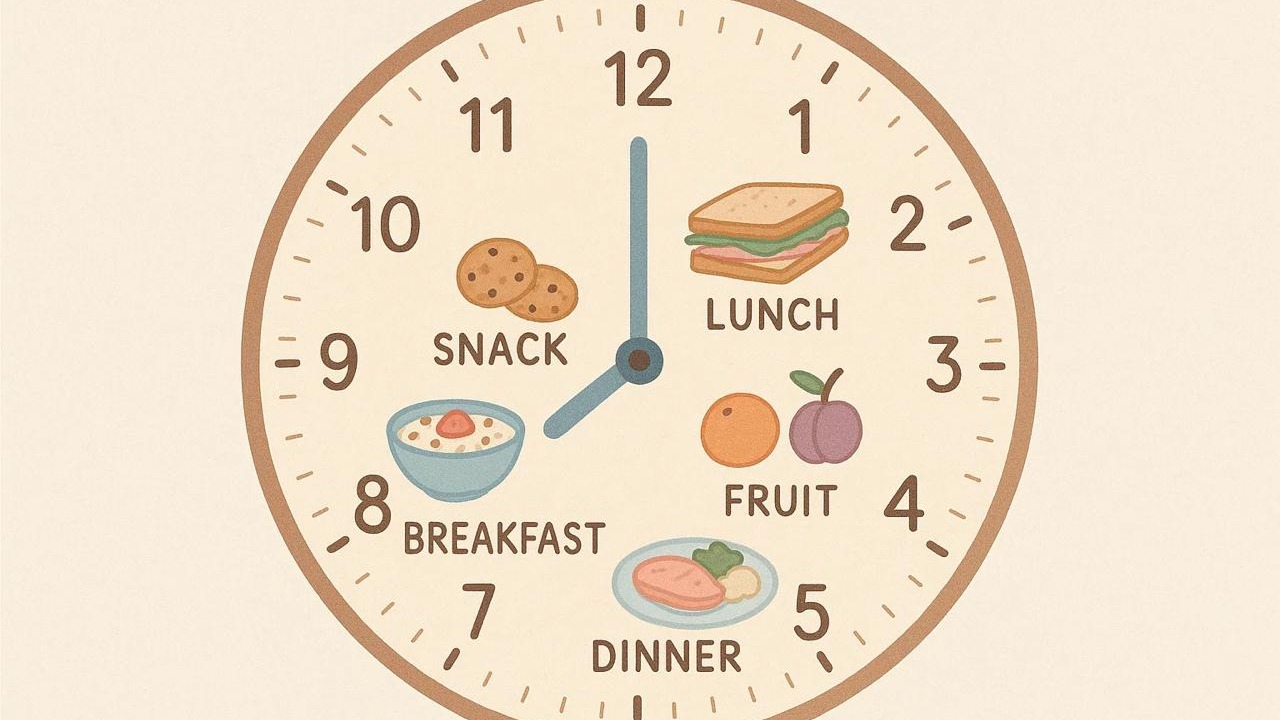
Busy schedules often lead people to skip meals or eat at inconsistent times. Over time, this may affect energy levels and eating patterns.
Possible impacts
- Low energy
- Overeating later in the day
- Reduced concentration
Better habits
- Eat at regular intervals
- Choose balanced meals
- Stay hydrated throughout the day
Consistency supports steady energy.
6. Chronic Stress Without Recovery Time
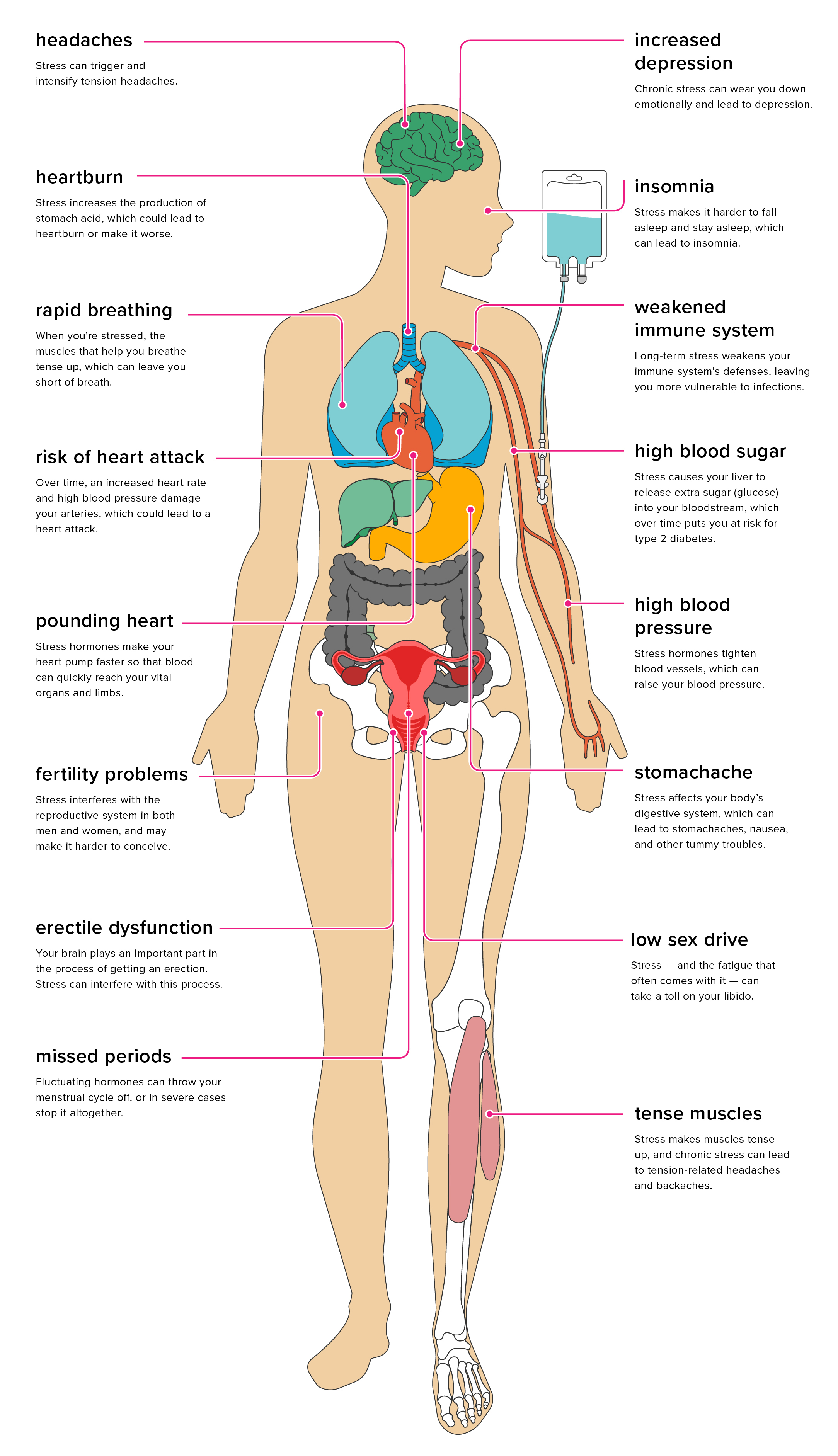


Stress is a normal part of life, but continuous stress without recovery may influence sleep, digestion, and mood.
Signs of unmanaged stress
- Mental fatigue
- Irritability
- Difficulty relaxing
Healthy stress-management ideas
- Short walks
- Deep breathing
- Mindfulness practices
- Hobbies and social connection
Recovery time is essential, not optional.
7. Inadequate Daily Hydration
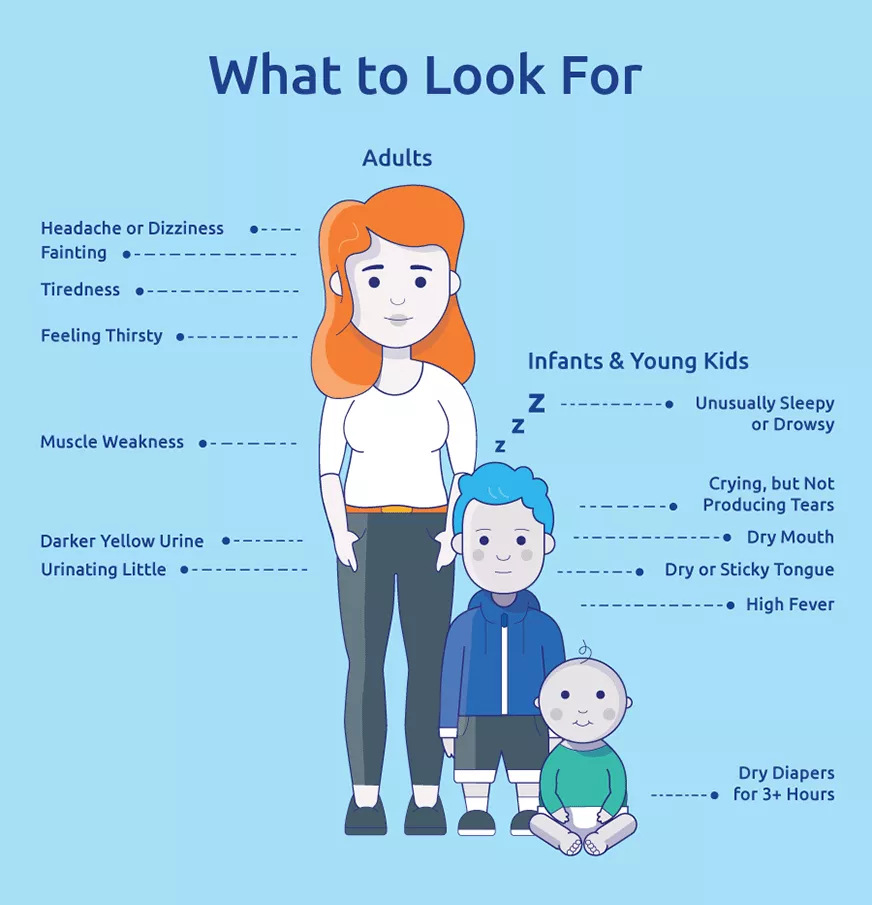
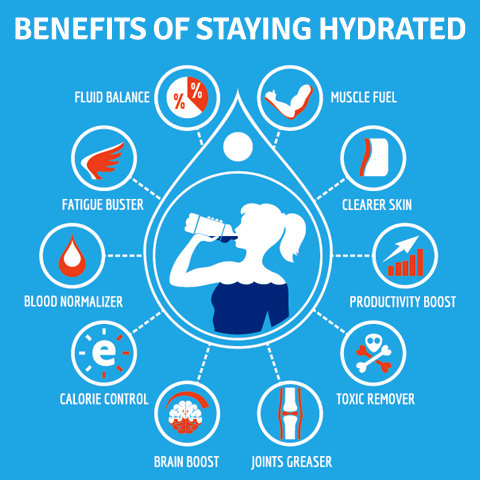
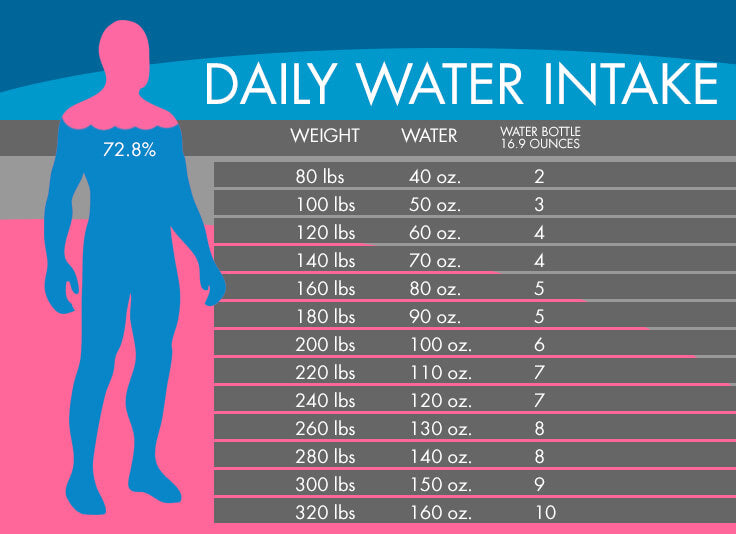
Water plays a vital role in nearly every bodily function. Mild dehydration may sometimes be mistaken for fatigue or hunger.
Gentle reminders
- Sip water regularly
- Increase intake during activity
- Listen to thirst signals
Hydration supports clarity and physical comfort.
Frequently Asked Questions (FAQ)
Q1: Are these habits harmful immediately?
No. These habits usually affect health gradually over long periods.
Q2: Can small changes really help?
Yes. Consistent small improvements can support long-term well-being.
Q3: Is this medical advice?
No. This article is for educational and awareness purposes only.
Final Thoughts
Health is not shaped by one decision but by daily patterns repeated over time. Becoming aware of everyday habits allows individuals to make mindful choices that support comfort, balance, and long-term well-being.
You don’t need perfection—just awareness and consistency.
⚠️ Disclaimer
This article is intended for informational and educational purposes only. It does not provide medical advice, diagnosis, or treatment. Always seek guidance from qualified professionals regarding personal health concerns.
According to the World Health Organization (WHO), lifestyle patterns such as physical inactivity and poor sleep routines may influence long-term health outcomes.
https://www.nhs.uk/The UK National Health Service (NHS) also highlights the importance of balanced daily routines, regular movement, and stress management for overall well-being.https://www.who.int/
For more helpful articles, visit our Health and Wellness section where we regularly share educational lifestyle content.
For more content search me on majrahealth.com